
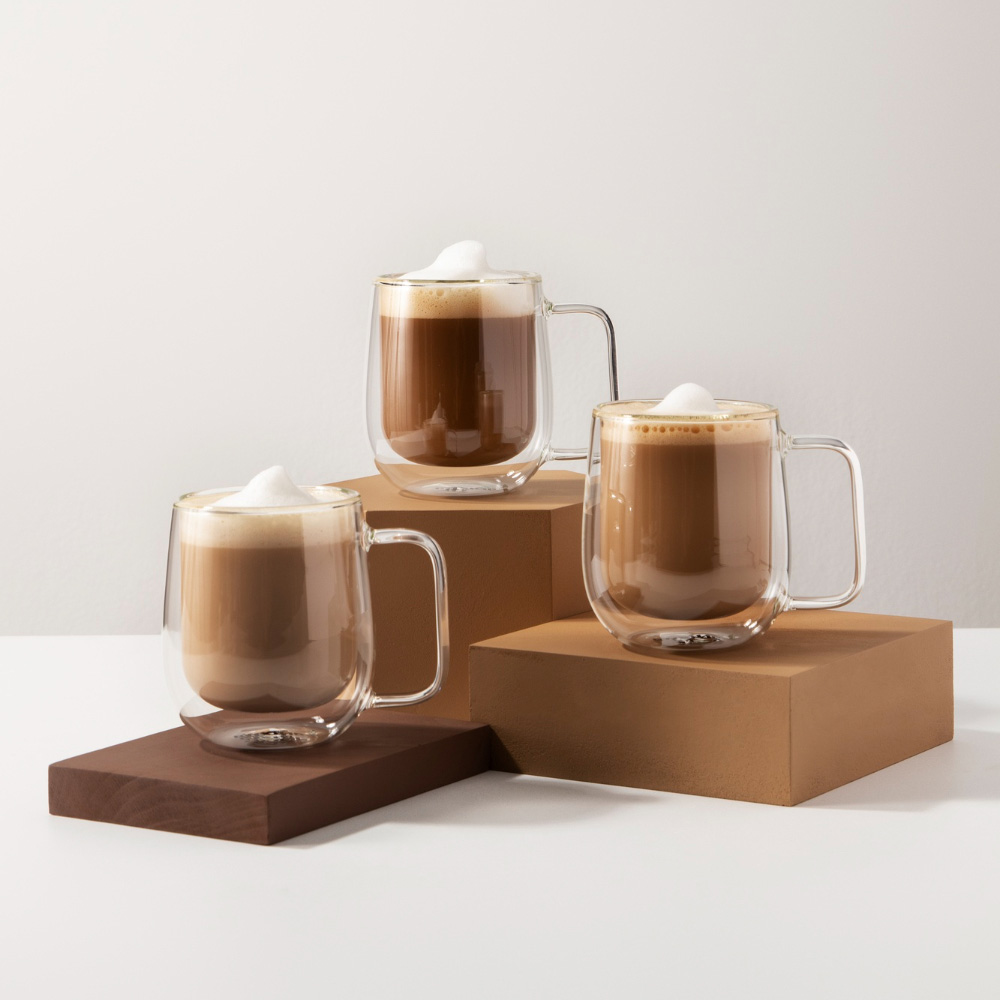
A Cup of Identity: What Defines “Single Origin” vs “Premium Blend”?
In the world of coffee, two names dominate cafe menus: single-origin vs premium blend. While both share the same roots — the roasted seed of the coffee cherry — their stories diverge dramatically in terms of flavor philosophy, sourcing ethics, and consumer experience.
A single-origin coffee refers to beans sourced from a single location — it could be a specific country (e.g., Colombia), a region (Sidamo, Ethiopia), or even a single farm (Finca La Esmeralda, Panama). Every cup is a geographical fingerprint of that place’s soil, climate, and cultivation style.
A premium blend, on the other hand, is a carefully composed mix of beans from multiple regions. Coffee roasters act as composers, balancing acidity, sweetness, and body to create harmony — often achieving consistency and complexity impossible from one origin alone.
1. Taste: A Symphony vs. a Soloist
| Attribute | Single Origin | Premium Blend |
|---|---|---|
| Flavor Profile | Distinct, often highlighting unique notes (floral, fruity, or citrusy). | Balanced, rounder flavor with layered complexity. |
| Consistency | Varies by harvest and year. | More consistent cup-to-cup. |
| Complexity | Singular and pure expression of terroir. | Harmonious mix of diverse flavor notes. |
Single-origin coffees are prized for transparency of taste — Ethiopian Yirgacheffe might deliver jasmine and bergamot notes, while Guatemalan Antigua could exhibit chocolate and spice. Coffee enthusiasts often describe it as “tasting the place.”
Premium blends aim for balance and repeatability. For example, Starbucks’ Caffè Verona blends Latin American and Indonesian beans to balance sweetness and depth. The artistry lies in blending — adjusting ratios seasonally to preserve a signature taste.
2. Source and Sustainability (Single Origin vs Premium Blend)

Single-origin sourcing emphasizes traceability and ethical transparency. Consumers know exactly where their beans come from and how farmers are compensated. Direct-trade and micro-lot programs have grown around this concept, ensuring quality and fair pay.
Premium blends, conversely, often draw from larger supply chains. However, high-end roasters (like Blue Bottle Coffee or Illy) now source premium blends with the same transparency, choosing multiple sustainable farms to balance both ethics and flavor.
3. Price and Accessibility (Single Origin vs Premium Blend)
| Factor | Single Origin | Premium Blend |
|---|---|---|
| Average Price per 12 oz (USD) | $18–$35 | $12–$22 |
| Production Scale | Small batches | Larger, industrial batches |
| Consumer Segment | Connoisseurs, specialty cafés | General market, premium retail |
Single-origin beans cost more due to limited harvests and exclusivity. Premium blends, being scalable, are more affordable while still maintaining quality — making them the everyday choice for many coffee lovers.
4. Brewing Behavior and Consumer Preference
Single-origin coffees are popular among pour-over and espresso enthusiasts, who seek to highlight individual notes. Premium blends dominate espresso bars and households, valued for their balanced flavor and milk compatibility.
A 2024 report from the Specialty Coffee Association (SCA) found that 67% of specialty café customers order single-origin brews occasionally, but 82% prefer blends for daily consumption due to consistency and price.
5. Cultural Meaning and Branding
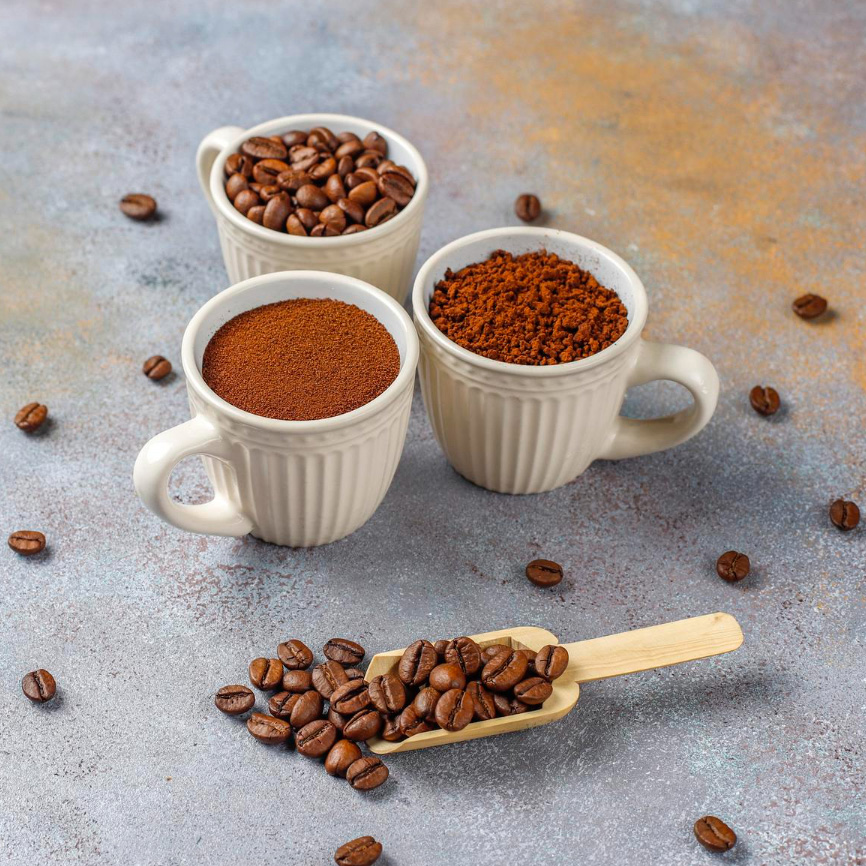
Single-origin coffees carry a story — a narrative of geography, community, and craftsmanship. The packaging often highlights the farm, elevation, and processing method, giving consumers a sense of intimacy with the grower.
Premium blends market experience and reliability. Think of it as the difference between a boutique vineyard and a world-class champagne house — both refined, but appealing to different desires: exploration vs. assurance.
6. Future Trends (Single Origin vs Premium Blend)
- Hybrid Models: Roasters increasingly create “traceable blends”, where all origins are disclosed but mixed for flavor design.
- Tech in Sourcing: Blockchain-based traceability ensures ethical single-origin authenticity.
- Consumer Shift: Younger coffee drinkers are leaning toward single-origin experiences, while traditional drinkers remain loyal to blends.
Final Verdict Single Origin vs Premium Blend
In essence, choosing between single-origin and premium blend is not about superiority — it’s about intent.
Do you want to taste the terroir and uniqueness of a region, or enjoy a consistent, expertly balanced flavor that stands the test of time?
Either way, both cups celebrate coffee’s remarkable diversity — a daily ritual rooted in global craftsmanship.
Sources (compiled from verified coffee industry and academic references):
- Specialty Coffee Association (SCA). Coffee Market Trends Report 2024.
- Perfect Daily Grind. Understanding Coffee Blends vs. Single Origin.
- Roast Magazine. Flavor Profiling and Roaster Techniques.
- National Coffee Association (2023). Coffee Consumer Trends.
- Coffee Review. Single-Origin Ratings and Analysis.
- Illy Research Center. Science of Coffee Blends.
- Barista Institute (2024). Single-Origin Brewing Methods.