
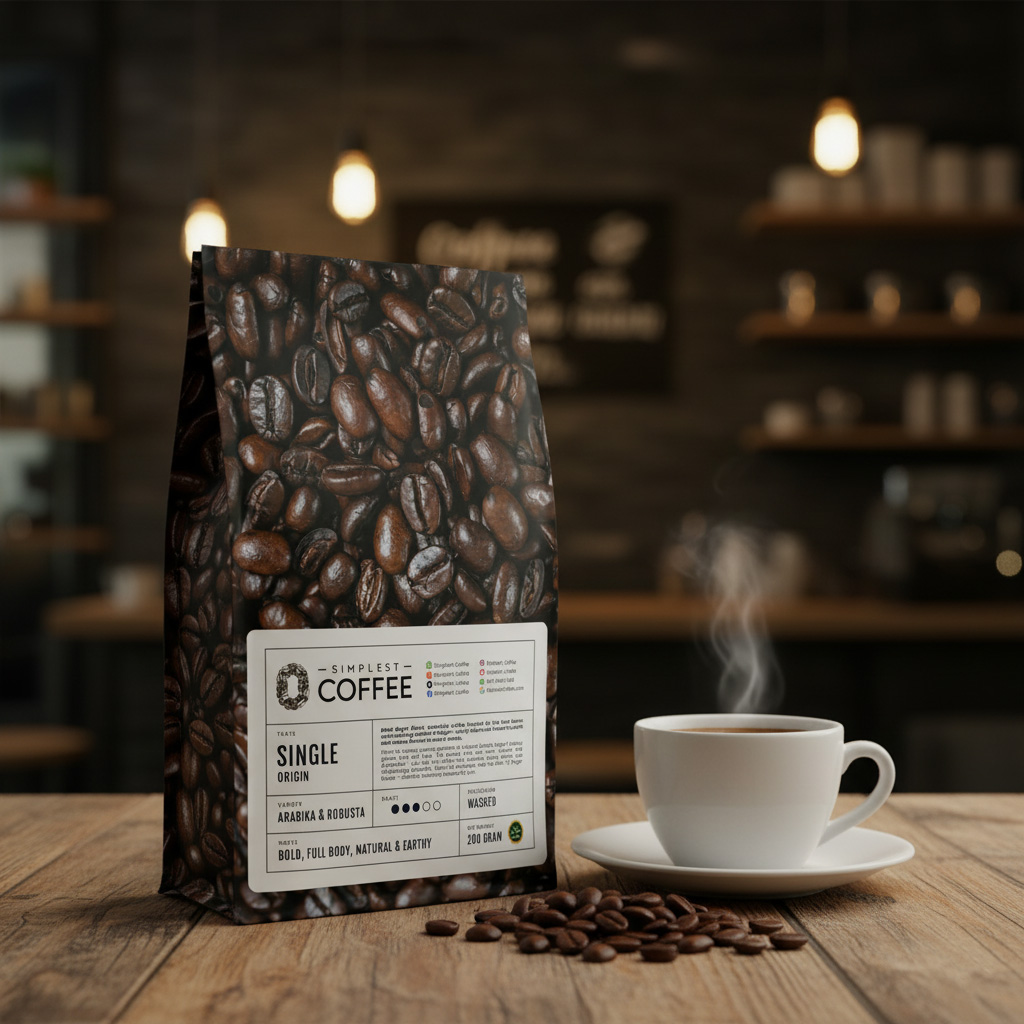
Java Coffee
Price range: Rp100.000 through Rp400.000
Before coffee was known globally, it was simply called “Java.” Grown in the nutrient-rich volcanic soil of Central and East Java, our coffee represents centuries of tradition, resilience, and an evolving flavor profile that captivates the modern world. From the misty slopes of Mount Sindoro to the blue fires of Ijen, experience the true taste of Indonesia.
The Classic Profile, Java coffee is famous for its Body and Balance.
- Aroma: Earthy, spicy, wood, and dark chocolate.
- Acidity: Low to Medium (gentle on the stomach).
- Body: Heavy, creamy, and syrupy.
- Tasting Notes:
– Central Java: Milk chocolate, caramel, mild tobacco, brown sugar.
– East Java: Dark cocoa, ripe berries, nutty finish, and occasionally herbal/spicy notes.
The Heart of the Archipelago: Rediscovering Java Coffee
Journey through the volcanic highlands of Central and East Java to taste the Java Coffee beans that gave coffee its nickname.
Introduction: What is Java Coffee?
Before coffee was known globally, it was simply called “Java.” Grown in the nutrient-rich volcanic soil of Central and East Java, our coffee represents centuries of tradition, resilience, and an evolving flavor profile that captivates the modern world. From the misty slopes of Mount Sindoro to the blue fires of Ijen, experience the true taste of Indonesia.
The History
A History Brewed in Time
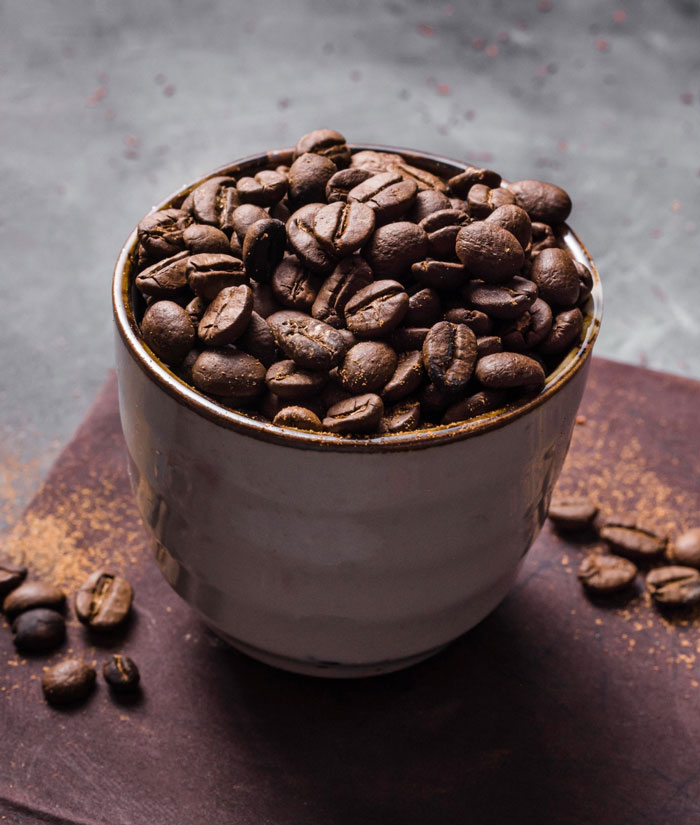
The story of Javanese coffee is the story of coffee itself. In the late 17th century, the Dutch East India Company (VOC) smuggled coffee seedlings from Yemen to Batavia (now Jakarta). By the 18th century, Java was the leading coffee supplier to the world.
- The Golden Era: Java became synonymous with coffee. The blend “Mocha Java” (Yemen + Java beans) became the world’s first famous blend.
- The Great Rust: In the late 1800s, a coffee leaf rust disease wiped out most Arabica trees. This forced a shift to the hardier Robusta plants, particularly in the lower altitudes.
- The Renaissance: Today, a new generation of farmers has returned to the high altitudes of Central and East Java to replant premium Arabica, putting Indonesian Specialty Coffee back on the global map.
The Terroir (Region Breakdown)
Two Regions, One Passion
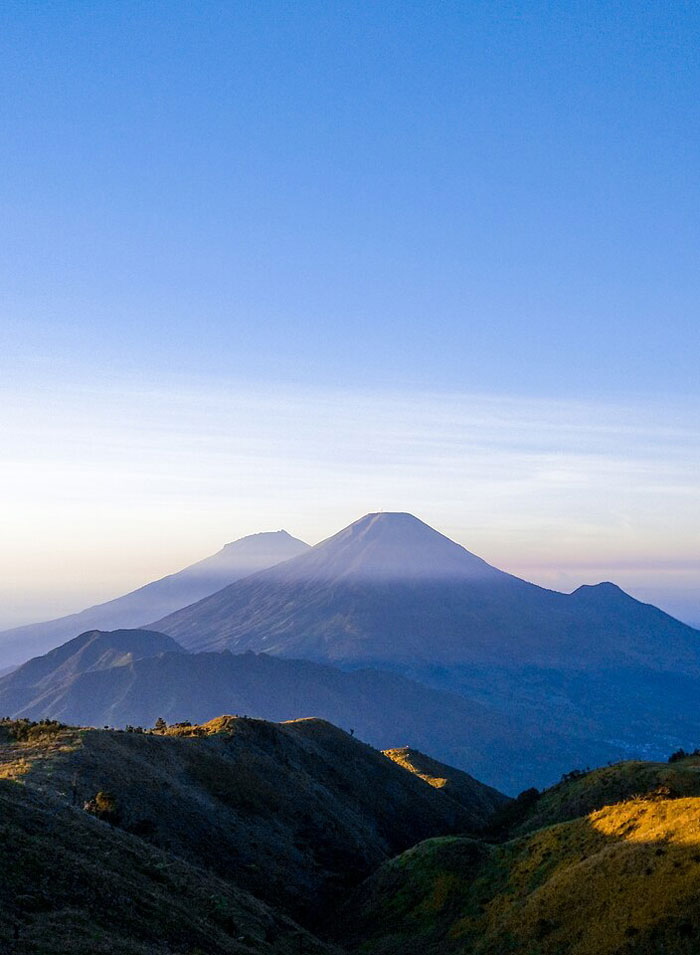
Subsection A: Middle (Central) Java – The Tobacco Highlands
- Location: Mount Sindoro, Mount Sumbing, Mount Merbabu (Temanggung & Wonosobo areas).
- The Soil: High volcanic ash content.
- Unique Trait: Many coffee plantations here are intercropped with tobacco. This unique agricultural heritage often imparts a distinct, savory, and rich aroma to the beans known as the “Mocha” profile.
Subsection B: East Java – The Old Estates
- Location: Ijen Plateau, Bondowoso, Mount Semeru, Mount Raung.
- The Soil: acidic volcanic soil, often surrounding large crater lakes.
- Unique Trait: East Java hosts the large, colonial-style government estates (PTPN). The “Blue Mountain” of Java (Jampit, Blawan) is famous here. The coffee is known for being cleaner, fruitier, and having a heavy, syrupy body.
What Does Java Coffee Taste Like?
The Classic Profile
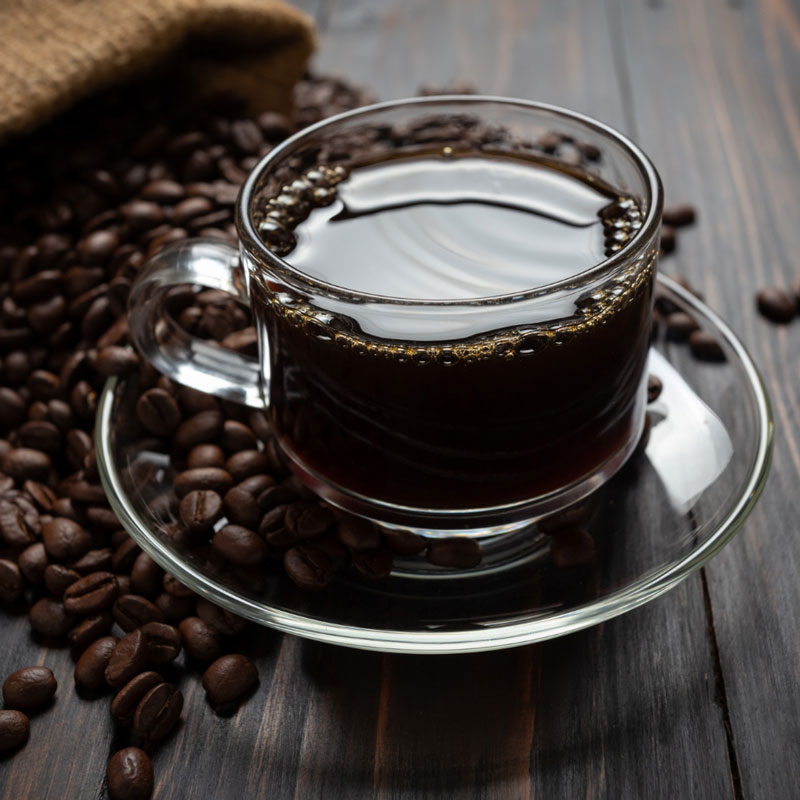
Unlike the high-acid coffees of Africa or the light bodies of Central America, Java coffee is famous for its Body and Balance.
- Aroma: Earthy, spicy, wood, and dark chocolate.
- Acidity: Low to Medium (gentle on the stomach).
- Body: Heavy, creamy, and syrupy.
- Tasting Notes:
• Central Java: Milk chocolate, caramel, mild tobacco, brown sugar.
• East Java: Dark cocoa, ripe berries, nutty finish, and occasionally herbal/spicy notes.
Processing Matters
- Natural/Dry Process: Funky, fruity, wine-like (increasingly popular in East Java).
- Washed Process: Clean, bright, and classic.
The Farmers & Process
Guardians of the Java Coffee Bean
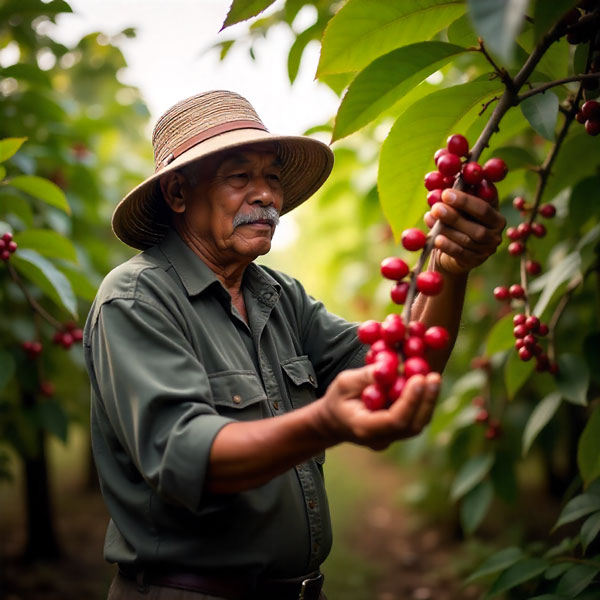
Behind every cup is a farmer battling the elements on the Ring of Fire.
- Smallholders vs. Estates: While East Java has large government-run estates, Central Java is
dominated by smallholder farmers. This creates diverse microlots where specific families
cure beans with their own secret techniques. - Sustainable Practices: Most Javanese coffee is shade-grown. Farmers use shade trees (like
lamtoro or pine) which protect the coffee cherries from scorching sun, allowing them to
ripen slowly and develop complex sugars. - Harvest: Hand-picked red cherries ensure that only the ripest beans make it to your cup.
| Size | 200g, 500g, 1000g |
|---|---|
| Roast | Medium |
| Processing | Washed, Natural |
| Taste | Heavy, Creamy, Earthy, Milk chocolate, Caramel, Brown sugar. Dark Cocoa, Ripe Berries, Nutty finish |
| Variety | Arabica, Robusta |
| Altitude | 1700-2200 meters |
Related products
-
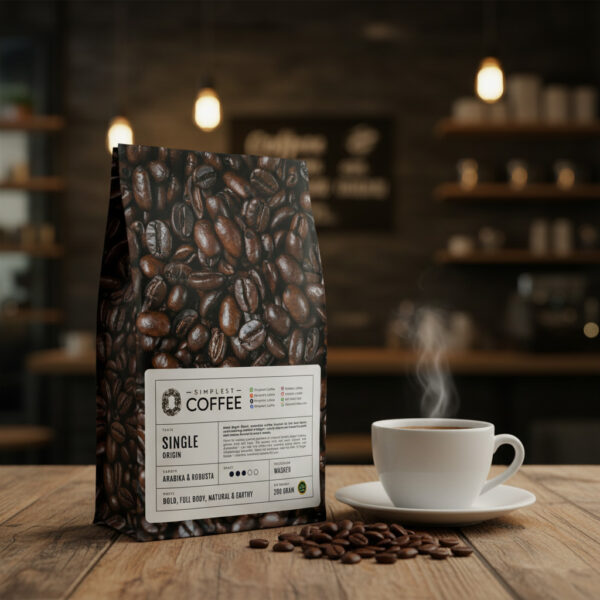
Mandailing Arabica Coffee
Price range: Rp100.000 through Rp400.000 Select options This product has multiple variants. The options may be chosen on the product page -
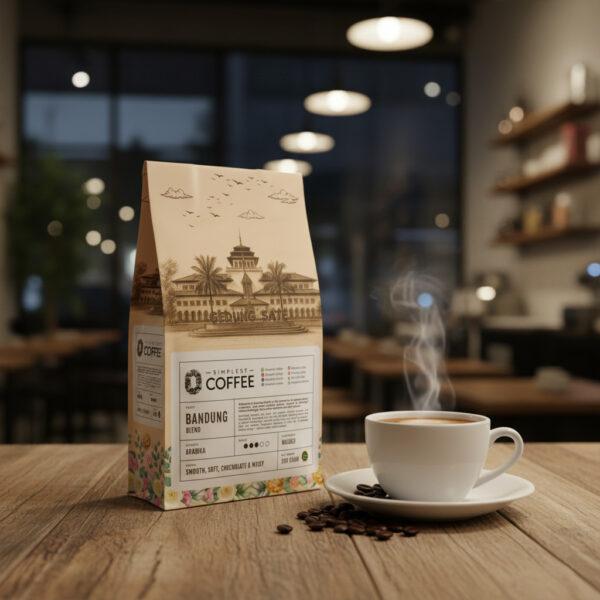
Simplest Coffee Bandung Blend
Price range: Rp60.000 through Rp200.000 Select options This product has multiple variants. The options may be chosen on the product page -
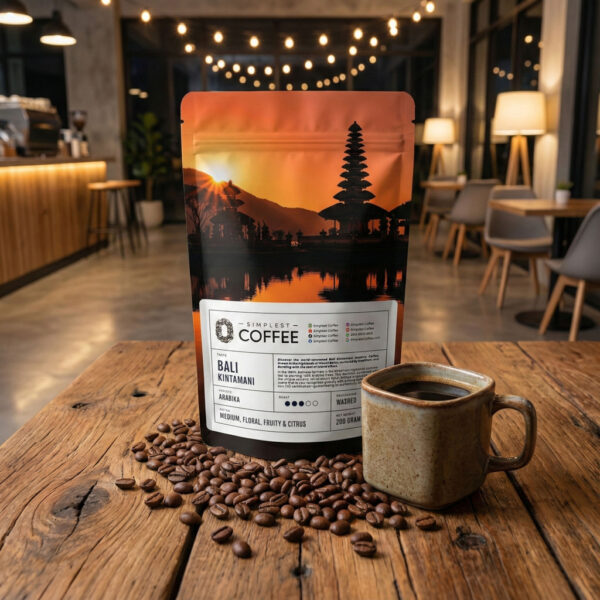
Bali Kintamani Coffee
Price range: Rp100.000 through Rp400.000 Select options This product has multiple variants. The options may be chosen on the product page -
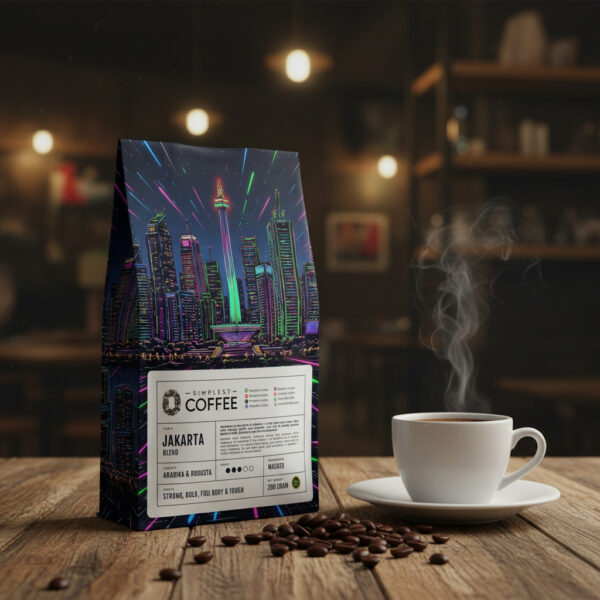
Simplest Coffee Jakarta Blend
Price range: Rp60.000 through Rp200.000 Select options This product has multiple variants. The options may be chosen on the product page
Reviews
There are no reviews yet.