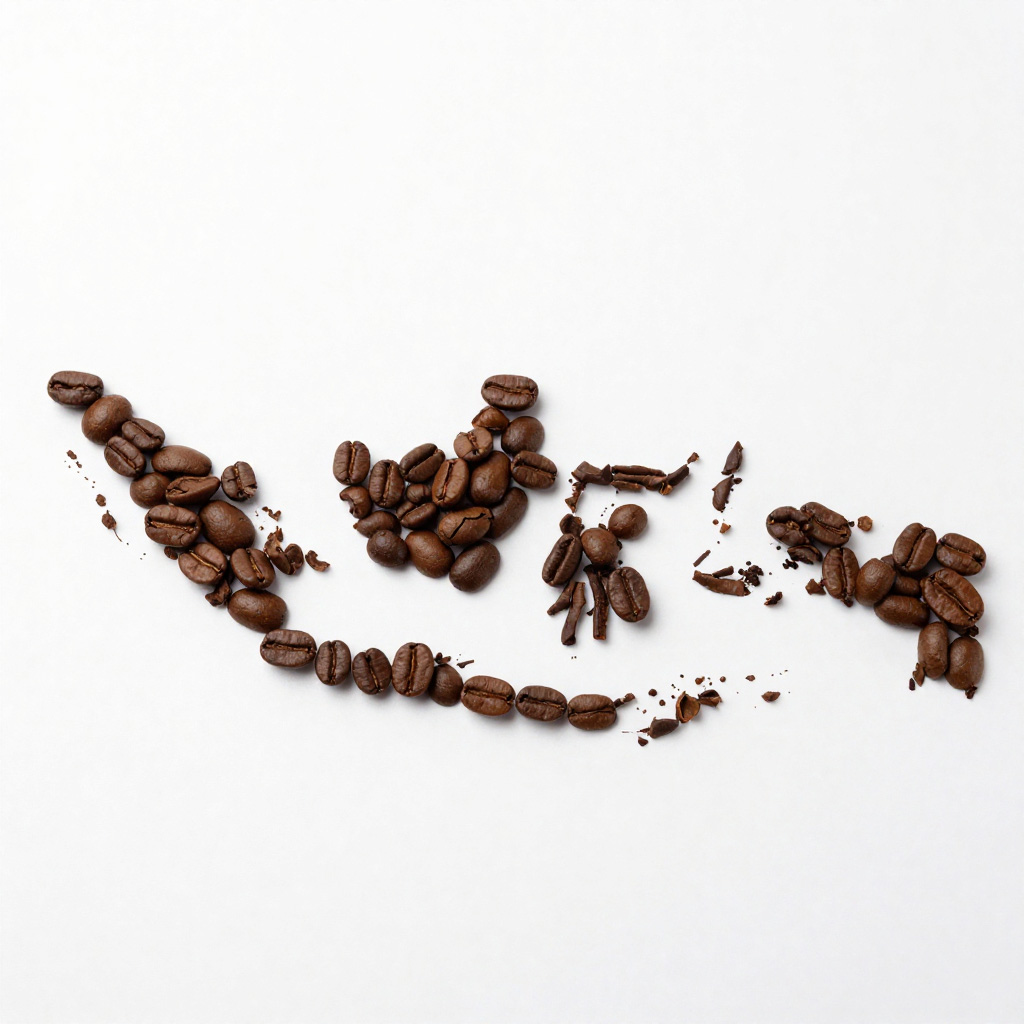
When the world thinks of Indonesian coffee, the word “Java” usually springs to mind. It’s a name so synonymous with coffee that it became a global nickname for the drink itself. But for those of us who truly know the bean, Java is just the opening chapter of a much richer story.
From the volcanic highlands of Sumatra to the misty valleys of Papua, Indonesia offers a sensory map that is as diverse as its 17,000 islands. But what actually makes Indonesian coffee distinct? Is it the soil? The altitude?
The answer lies in a unique blend of history, alchemy, and human touch. Here is the insider’s look at what makes your cup of Indonesian coffee truly one-of-a-kind.
1. The “Giling Basah” Signature
If you’ve ever wondered why Sumatran coffee has that heavy, syrupy body and those distinct notes of dark chocolate, cedar, and spice, the secret isn’t just the bean—it’s the process.
While most of the world uses “washed” or “natural” processing, Indonesian farmers perfected a method called Giling Basah (Wet Hulling). Born out of necessity due to the humid climate, farmers remove the parchment from the bean while it still holds high moisture.
The result? A “wilder” cup. This method mutes the sharp acidity found in African coffees and amplifies the bold, earthy body that espresso lovers crave. It is a flavor profile that cannot be replicated anywhere else in the world.
2. The Hidden Gems: Beyond Arabica & Robusta
We all know the two giants of the industry. But Indonesia is home to a “sleeping giant” that is making a massive comeback: Liberica.
Historically grown in Jambi and parts of Borneo, Liberica was often overlooked. Today, it’s being rediscovered by specialty roasters. With a unique flavor often described as smoky, nutty, and even reminiscent of jackfruit, Liberica offers a completely different palette for the adventurous drinker.
- Pro Tip: Keep an eye out for “Fine Robusta” from regions like Flores. No longer just a filler for instant coffee, these beans are winning awards for their clean, chocolatey sweetness.
3. Coffee as Culture: The Upside-Down Cup
In the West, we argue about flat whites vs. cappuccinos. In West Aceh, they flip the script—literally.
Kopi Khop (or Kopi Tabalek) is a traditional method where coarse coffee is brewed in a glass and then served upside down on a saucer. To drink it, you slide a straw underneath the rim or blow air into the saucer to sip the coffee that seeps out. It’s not a gimmick; it’s a tradition designed to keep the coffee free of dust and hot for longer while fishermen lingered on the shore.
It’s a reminder that in Indonesia, coffee isn’t just fuel; it’s a ritual of patience and community.
4. The “Nongkrong” Phenomenon
You cannot understand Indonesian coffee without understanding the art of Nongkrong—the act of hanging out, talking, and doing absolutely nothing with friends for hours.
This cultural staple has fueled a massive explosion in the domestic coffee scene. We aren’t just exporting beans anymore; we are consuming them. From trendy minimalist cafes in South Jakarta to roadside warungs, the domestic demand is driving quality up. Farmers are now reserving their best harvests for local roasters because the local market finally appreciates (and pays for) specialty grade.
5. The Future is Sustainable
The modern Indonesian coffee story is one of resilience. Farmers in regions like Bali and West Java are leading the charge in agroforestry—planting coffee alongside shade trees like fruit and spices.
This doesn’t just protect the environment; it improves the cup. Coffee cherries ripen more slowly in the shade, developing complex sugars and acids. When you buy sustainable Indonesian coffee, you aren’t just buying a drink; you’re supporting a biodiversity system that keeps the rainforests standing.
The Final Sip
Indonesian coffee is “wabi-sabi” in a cup—perfectly imperfect, earthy, complex, and full of character. It resists the standardization of the modern world.
So the next time you brew a Mandheling or a Toraja, take a second to savor it. You aren’t just tasting a roast profile. You’re tasting the volcanic soil, the humid air of the rainforest, and the hands of farmers who have kept this tradition alive for centuries.
Ready to explore the archipelago?View Indonesian Coffee and find your perfect region today.