
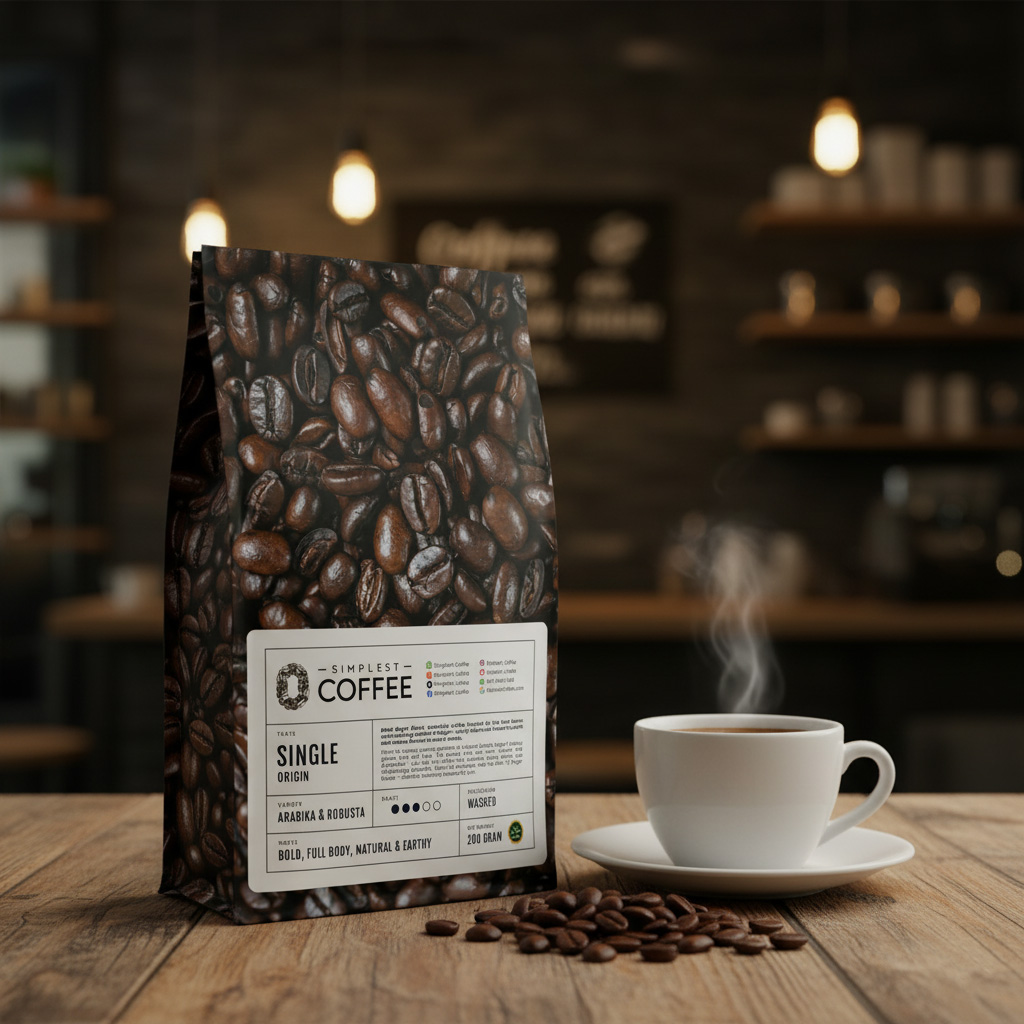
Mandailing Arabica Coffee
Price range: Rp100.000 through Rp400.000
Welcome to the home of Mandailing Coffee. Grown in the mineral-rich volcanic soils of North Sumatra, Indonesia, this Arabica variety is celebrated globally for its smooth texture, complex flavor profile, and distinctively low acidity.
- Body: Very Full / Syrupy (often described as “viscous”).
- Acidity: Very Low.
- Aroma: Earthy, woody, and spicy.
- Flavor Notes: Dark chocolate, licorice, brown sugar, dried fruit, and savory herbal
undertones. - Finish: Long-lasting and sweet, often with a hint of tobacco or cedar.
Experience the Mandailing Arabica Coffee of Sumatra
Introduction: What is Mandailing Arabica Coffee?
Welcome to the home of Mandailing Arabica Coffee (Kopi Mandailing). Grown in the mineral-rich volcanic soils of North Sumatra, Indonesia, this Arabica variety is celebrated globally for its smooth texture, complex flavor profile, and distinctively low acidity. Whether you are a specialty coffee connoisseur or a casual drinker, Mandailing offers a coffee experience unlike any other.
The History & Heritage
The Dutch Connection
The story of Mandailing coffee begins in the late 17th century. It was brought to the Indonesian archipelago by the Dutch East India Company (VOC). While coffee was planted across Indonesia, the seedlings found their true home in the highlands of Sumatra.
The Name “Mandailing”
Unlike other coffees named after countries, Mandailing is named after the Mandailing people and the region (Mandailing Natal) in North Sumatra. It is not just a crop; it is a cultural heritage that survived the devastating coffee rust plagues of the 1800s that wiped out plantations elsewhere. Today, it stands as one of the few “Old World” coffees that retains its original genetic lineage.
The Farmers & The Terroir
Volcanic Soil Region
Grown at altitudes between 1,000 to 1,500 meters above sea level near the Bukit Barisan mountain
range, the coffee trees thrive in volcanic soil rich in organic minerals. The tropical rainforest climate
ensures slow maturation, allowing the beans to develop intense, complex sugars.
The Smallholders
There are no massive corporate plantations here. Mandailing coffee is grown by smallholder farmers, usually on family plots ranging from 1 to 2 hectares. This ensures that every tree is cared for individually.
Wet Hulling / Giling Basah (The Secret Process)
What makes Mandailing coffee unique? The processing method. Farmers use a traditional Indonesian technique called Giling Basah (Wet Hulling).
- Cherries are pulped and fermented.
- The beans are hulled while they still contain high moisture (30-50%).
- This exposure creates the iconic bluish-green color of the raw bean and results in the heavy
body and low acidity the coffee is famous for.
Taste Mandailing Arabica Coffee
A Symphony of Earth and Spice
If you find other coffees too sour or acidic, Mandailing is your perfect match. It is bold, intense, yet
surprisingly smooth.
- Body: Very Full / Syrupy (often described as “viscous”).
- Acidity: Very Low.
- Aroma: Earthy, woody, and spicy.
- Flavor Notes: Dark chocolate, licorice, brown sugar, dried fruit, and savory herbal
undertones. - Finish: Long-lasting and sweet, often with a hint of tobacco or cedar.
Best Roast Profile
Mandailing beans shine best at a Medium-Dark to Dark Roast (Vienna or French Roast). The
roasting brings out the chocolatey and spicy notes while muting any remaining acidity.
How to Brew the Perfect Mandailing Arabica Coffee
To honor the heavy body of this coffee, we recommend immersion brewing methods:
- French Press: The metal mesh allows the natural oils to remain in the cup, maximizing the
thick, syrupy body Mandailing is famous for. - Pour Over (V60/Chemex): Use a slightly coarser grind. This will produce a cleaner cup
that highlights the herbal and spicy notes. - Kopi Tubruk: The traditional Indonesian method. Add fine grounds directly to the cup,
pour boiling water, stir, wait for the grounds to settle, and enjoy.
| Size | 200g, 500g, 1000g |
|---|---|
| Roast | Medium |
| Processing | Wet Hulling |
| Taste | Full, Heavy, Earthy, Spicy, Woody, Dark Chocolate, Brown Sugar |
| Variety | Arabica |
| Altitude | 1200-1700 meters |
Related products
-
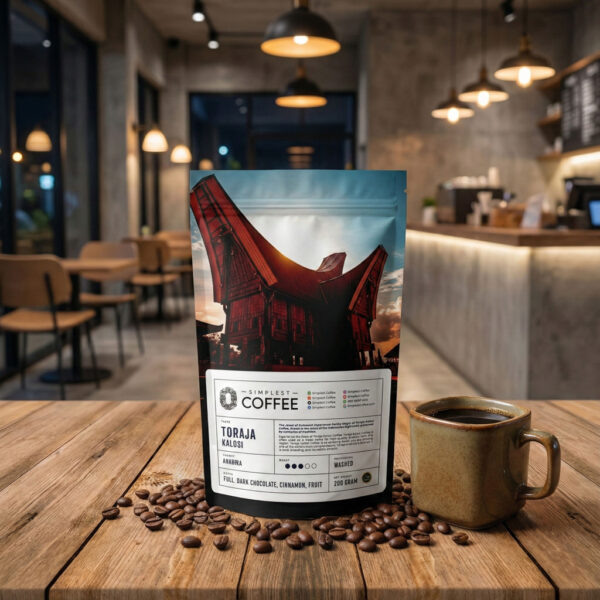
Toraja Kalosi Coffee
Price range: Rp100.000 through Rp400.000 Select options This product has multiple variants. The options may be chosen on the product page -
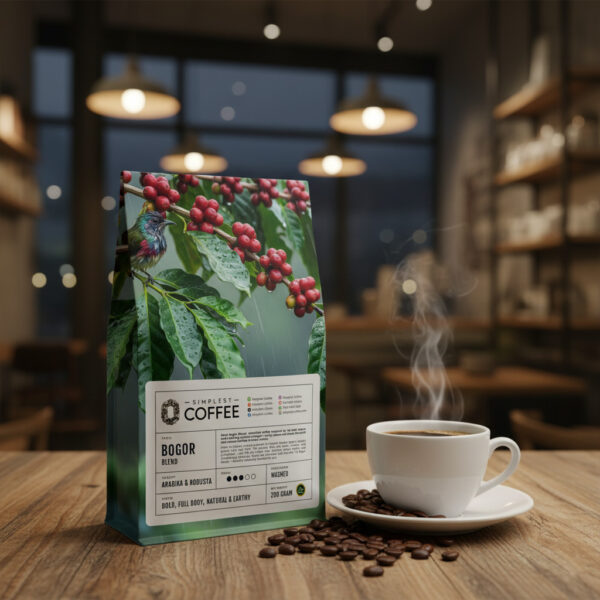
Simplest Coffee Bogor Blend
Price range: Rp60.000 through Rp200.000 Select options This product has multiple variants. The options may be chosen on the product page -
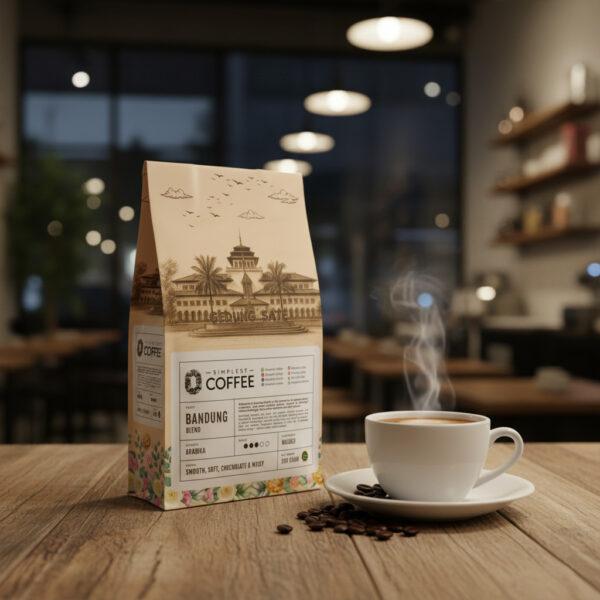
Simplest Coffee Bandung Blend
Price range: Rp60.000 through Rp200.000 Select options This product has multiple variants. The options may be chosen on the product page -
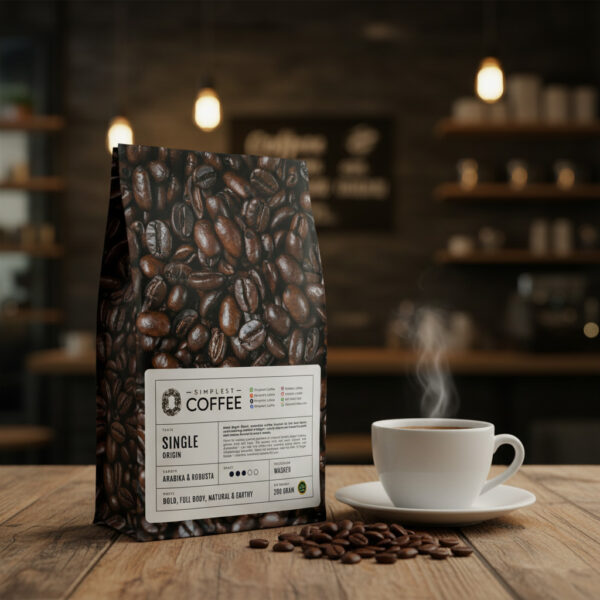
Lampung Robusta Coffee
Price range: Rp100.000 through Rp400.000 Select options This product has multiple variants. The options may be chosen on the product page
Reviews
There are no reviews yet.