
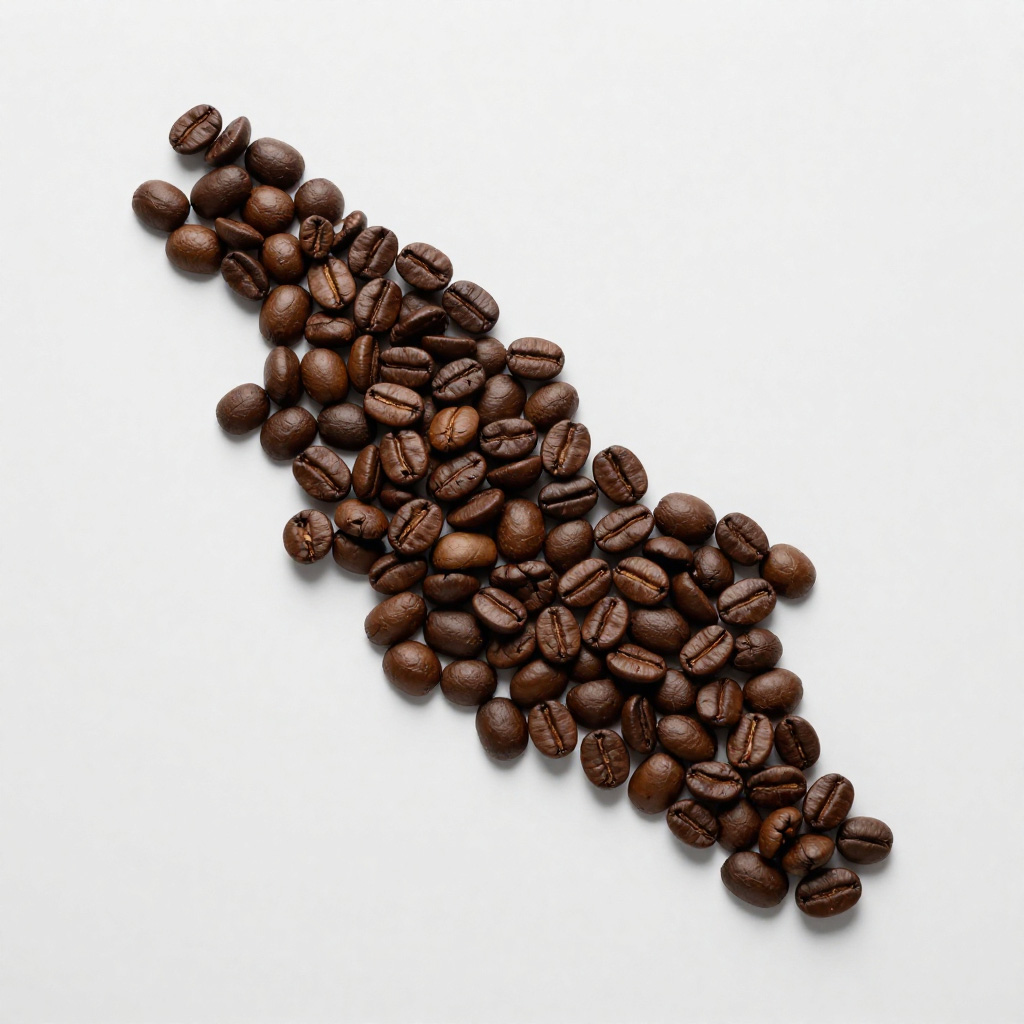
Aceh Gayo coffee. In the crowded world of specialty coffee, trends come and go. One year it’s bright, floral Geishas; the next, it’s experimental anaerobic ferments. But amidst the noise, one giant stands firm, consistently delivering the bold, comforting richness that coffee lovers crave: Aceh Gayo Coffee.
Hailing from the lush highlands of Central Aceh, specifically around the shores of Lake Laut Tawar in Takengon, this coffee isn’t just a commodity; it is the lifeblood of the region. Often called the “Green Gold” of Gayo, it accounts for a massive portion of Indonesia’s premium coffee exports.
But what makes Gayo coffee so special that major chains and boutique roasters alike fight to keep it in stock? Let’s brew down the facts.
1. The Terroir: Where Volcanic Soil Meets Mist
Great coffee requires great geography, and the Gayo Highlands have hit the jackpot. Grown at altitudes ranging from 1,200 to 1,600 meters above sea level, these coffee trees thrive in nutrient-rich volcanic soil.
The weather here is cool and wet, allowing the coffee cherries to mature slowly. This slow growth creates a denser bean, packing in complex sugars that result in a deeper, more resonant flavor profile. When you sip Gayo coffee, you are tasting the direct influence of the misty Takengon air.
2. The Flavor: Bold, Spicy, and Unapologetic
If Ethiopian coffee is like a delicate tea, Aceh Gayo is a warm blanket. It is famous for having:
- Heavy Body: It feels thick and creamy on the palate (often described as “syrupy”).
- Low Acidity: It doesn’t have the sharp “sour” bite that turns some people off specialty coffee, making it incredibly smooth.
- Complex Notes: Expect dark chocolate, earthy cedar, sweet tobacco, and distinct spice notes (think cardamom or clove).
This profile makes it a versatile powerhouse. It is excellent as a single-origin pour-over, but it also serves as the perfect “anchor” in espresso blends, providing the crema and body that lighter beans lack.
3. The “Giling Basah” Factor
You cannot talk about Gayo coffee without mentioning the processing method. Like much of Sumatra, Gayo farmers utilize Giling Basah (Wet Hulling).
Because the weather in Aceh is so humid, drying coffee beans completely is difficult. Farmers hull the parchment off the bean while it is still moist (around 30-50% moisture). This exposes the raw bean to the elements faster, resulting in that signature earthy, bluish-green bean appearance and the low-acid, spicy punch in the cup.
4. Aceh Gayo coffee – Naturally Organic
From a marketing perspective, Aceh Gayo has a massive advantage: Cleanliness.
A significant percentage of coffee farming in the Gayo region is organic by tradition. Many smallholder farmers in Aceh have never used chemical fertilizers, relying instead on coffee cherry skins and local compost.
While not every bag carries an official USDA or Fair Trade sticker (certifications are expensive!), the vast majority of Gayo coffee is grown with a respect for nature that is rare in industrial farming. This makes it a hit with the modern, eco-conscious consumer.
5. How to Brew Aceh Gayo coffee Best
To truly honor a Gayo bean, play to its strengths.
- For the Purist: A French Press is ideal. The metal mesh allows the coffee’s natural oils to pass through, amplifying that heavy body and chocolatey mouthfeel.
- For the Modernist: Try a Japanese Iced Coffee method. The inherent sweetness of Gayo coffee creates a refreshing, chocolate-milk-like richness when flash-chilled.
The Verdict Aceh Gayo coffee
Aceh Gayo isn’t trying to be fruity or delicate. It is bold, grounded, and intensely satisfying. It is the kind of coffee that reminds you why you started drinking coffee in the first place.
Whether you are a roaster looking for a reliable crowd-pleaser or a home brewer wanting a comforting morning ritual, the beans from Takengon rarely disappoint.
Shop Our Fresh Roasted Aceh Gayo CoffeeAceh Gayo Coffee